Source Window Tint Transmission Meter for Film, Glass, and Solar
Find and compare window tint transmission meter options from 30 verified suppliers. Evaluate models like LS180 and AT-173 for solar film, glass, and material testing applications with varying accuracy and power sources; compare the available evidence and request quotations based on your requirements.
Key considerations
Products List


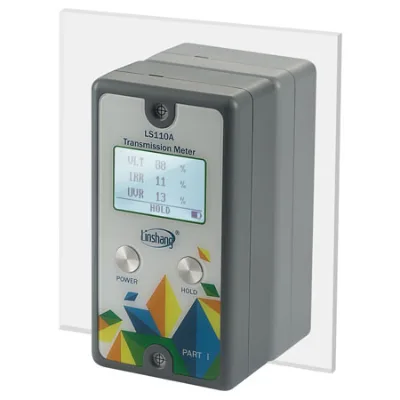


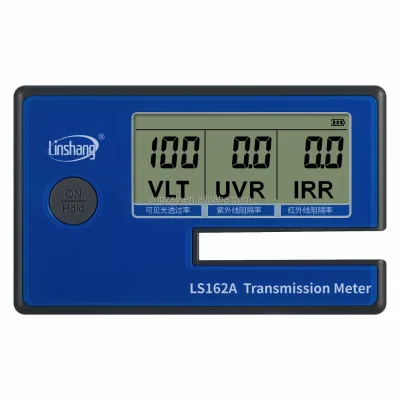
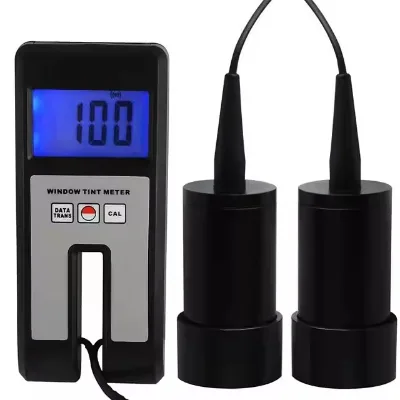
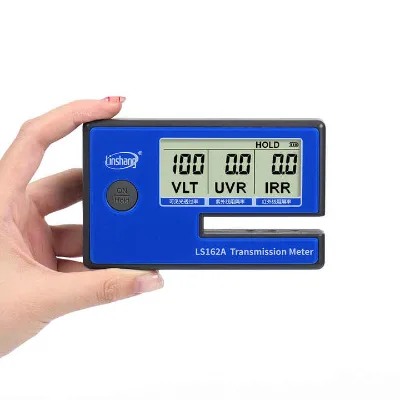
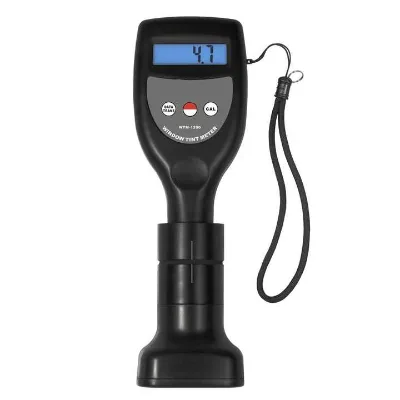


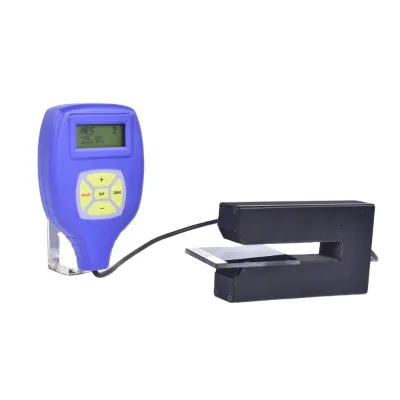
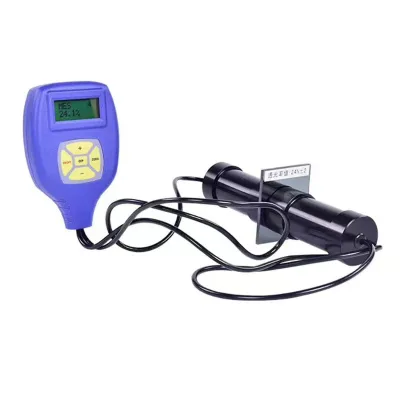
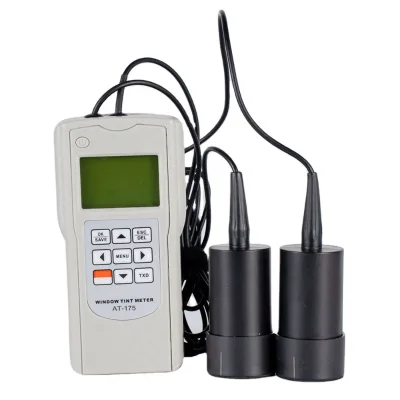
Comprehensive Sourcing Guide
Window Tint Transmission Meter Sourcing Guide
Procurement professionals must first distinguish between portable handheld spectrophotometers and stationary compression testing machines when sourcing window tint transmission meters. The observed market data reveals a split in product categories, with some listings explicitly labeled as compression testing machines while others describe split transmission meters designed for glass and film analysis. Buyers should verify that the device's primary function aligns with solar film testing requirements rather than general material compression, as the intended application dictates the necessary optical sensors and mechanical stability.
The observed product attributes indicate a strong presence of digital displays and electronic load capabilities, which are critical for real-time data acquisition during quality control processes. Sourcing teams should prioritize units that offer specific measuring ranges for visible light wavelengths between 380nm and 760nm, alongside infrared capabilities centered at 950nm. This ensures the selected instrument can accurately assess the light transmission properties of various automotive and architectural films without requiring external calibration equipment or complex setup procedures.
Product Scope and Observed Listing Signals
Market listings for window tint transmission meters frequently display a wide price variance, ranging from low-cost entry units to high-end professional instruments, reflecting differences in sensor technology and build quality. Buyers must carefully examine the listed price points against the specified accuracy claims, as some products advertise accuracy within 2% while others claim 1% precision. Understanding this correlation helps in filtering out units that may appear affordable but lack the necessary resolution of 0.1 required for precise tint verification in commercial applications.
The physical form factor of these devices varies significantly, with some models designed as portable units weighing under 1.5kg and others packaged in sturdy carton boxes for industrial shipping. Observations show that certain models feature built-in lithium batteries for field use, while others rely on standard AAA batteries, influencing their suitability for on-site vehicle inspections versus laboratory testing. Procurement teams should verify the single package dimensions and gross weight to ensure compatibility with existing logistics workflows and storage constraints.
Technical Specifications to Verify
When evaluating technical specifications, the sample thickness capacity is a critical parameter that determines the versatility of the transmission meter for different film types. Available data indicates that some models support samples less than 10mm thick, while others accommodate thicknesses up to 18mm, which is essential for testing multi-layered or laminated glass products. Buyers must confirm that the device's sample chamber can physically accept the specific materials they intend to test to avoid purchasing incompatible equipment that limits operational scope.
Optical performance metrics such as light source type and wavelength specificity must be rigorously checked to ensure reliable measurement results across different tint shades. The presence of LED light sources with defined ultraviolet, visible, and infrared wavelength ranges suggests a comprehensive approach to spectral analysis, but the exact central wavelengths must match the testing standards required by the buyer's industry. Additionally, verifying the measuring mode, whether single or continuous, ensures the device can handle the throughput demands of high-volume production lines or rapid field inspections.
Compliance and Safety Documentation
Safety documentation for window tint transmission meters often includes protection class ratings and warranty terms that indicate the manufacturer's confidence in product durability and user safety. While specific certification names are not universally listed in the provided data, the mention of high protection classes suggests robust design against electrical hazards and environmental factors. Buyers should request detailed safety manuals and compliance certificates to ensure the device meets local electrical safety standards and occupational health regulations before deployment.
Warranty coverage is another vital aspect of compliance, with observed listings offering a standard one-year warranty period for many models. This coverage typically protects against manufacturing defects and performance degradation, providing a safety net for procurement investments. However, buyers must clarify the scope of this warranty, including whether it covers battery replacement, sensor calibration drift, or physical damage, to understand the total cost of ownership and potential downtime risks associated with equipment failure.
Cost Drivers and Commercial Terms
The cost of window tint transmission meters is heavily influenced by the level of customization available and the complexity of the data output features. Products offering optional USB data output capabilities often command higher prices due to the added value of automated reporting and integration with quality management systems. Procurement teams should assess whether the specific data connectivity requirements of their workflow justify the premium cost of advanced models over basic standalone units that rely on manual recording.
Minimum order quantities and packaging standards also play a significant role in the commercial terms of these transactions. The observed data shows a minimum order quantity of one piece for many suppliers, facilitating small-batch procurement for testing labs or individual contractors. However, the packaging type, ranging from portable plastic cases to standard carton boxes, affects shipping costs and product protection during transit, which should be factored into the total landed cost calculation for international orders.
Supplier Qualification and Quality Control
Supplier qualification for window tint transmission meters requires a thorough review of the brand reputation and the origin of manufacturing, as these factors directly impact product reliability and after-sales support. The market includes brands such as Alilula, New Vision, and Linshang, all originating from China, which indicates a concentrated supply chain in the Guangdong region. Buyers should verify the supplier's track record in delivering consistent quality and their ability to provide technical support for calibration and troubleshooting of the optical sensors.
Quality control processes must be validated through the examination of accuracy classes and resolution specifications provided in the product listings. High accuracy classes and precise resolution values are indicators of rigorous manufacturing standards, but buyers should request independent test reports or third-party verification to confirm these claims. Establishing a clear quality assurance protocol with the supplier, including acceptance criteria for accuracy and repeatability, is essential to mitigate the risk of receiving non-compliant equipment.
Long-Term Procurement Checks
Long-term procurement success depends on the availability of spare parts and the ease of maintaining the optical sensors and electronic components of the transmission meter. Buyers should inquire about the lifecycle of the LED light sources and the availability of replacement batteries or power adapters to ensure uninterrupted operation over several years. A robust supply chain for consumables and components is crucial for minimizing downtime and maintaining the accuracy of measurements in a demanding commercial environment.
Future-proofing the procurement strategy involves assessing the software and firmware update capabilities of the selected devices to adapt to evolving industry standards. As testing requirements for solar films and glass materials change, the ability to upgrade the device's measurement algorithms or data output formats becomes increasingly valuable. Procurement teams should prioritize suppliers who demonstrate a commitment to product evolution and provide clear roadmaps for software enhancements to protect their initial investment.
FAQs
What is the measuring range of window tint transmission meters?
The measuring range is 0 to 100% light transmission. This allows for accurate assessment of solar film and glass tinting. The device typically features a digital display for clear readings. High accuracy is maintained within a margin of no more than 2%. This ensures reliable data for material testing applications in various industries.
Can these meters test different types of light wavelengths?
Yes, the meters utilize LED light sources for specific wavelengths. They cover visible light from 380 to 760nm and ultraviolet light at 380nm. Infrared testing is supported with a central wavelength of 950nm. This comprehensive spectral coverage ensures accurate transmission measurements for diverse film and glass materials used in automotive and architectural applications.
What is the maximum sample thickness these devices can handle?
The maximum sample thickness is less than 10 mm or 0.4 inch for some models. Other variants support samples up to 18 mm or 0.7 inch. This flexibility allows testing of various glass and film types. The portable design ensures ease of use on-site. Users can quickly assess material properties without complex setup procedures or specialized laboratory environments.
How is the data output handled for these testing instruments?
USB data output is available as an optional feature. This allows for easy transfer of test results to computers. The devices often include built-in lithium batteries for portability. Some models use standard AAA batteries for power. This flexibility ensures continuous operation in field conditions. Digital displays provide immediate visual feedback for quick decision-making during quality control processes.
What are the typical dimensions and weight of these meters?
Dimensions vary by model, with some measuring 216mm by 134mm by 29mm. Others are more compact at 140mm by 70mm by 30mm. Single gross weights are approximately 1.5 kg. The lightweight design enhances portability for field use. Packaging is typically provided in carton boxes or portable plastic cases. This ensures safe transport and storage for professional testing environments.
Which brands offer window tint transmission meters with high accuracy?
Brands such as Alilula, New Vision, and Linshang offer these devices. They provide high accuracy classes with precision within 1% to 2%. The meters feature digital displays and electronic load capabilities. Warranty periods typically last one year. These brands ensure reliable performance for glass and film testing applications across global markets.